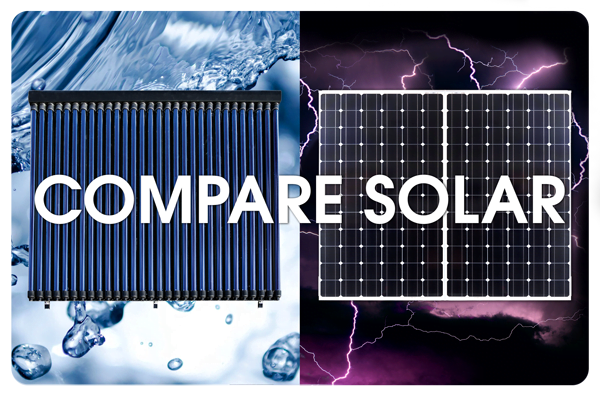
WHAT IS THE MOST COST-EFFECTIVE?

Solar Thermal Hot Water
Install Cost $5500*
*(Based on standard installation)
Get real savings without the big cost!
Solar Thermal is a smaller system for a smaller price.
Don’t be fooled by its size, as it delivers with the biggest impact on your power bills!
Solar hot water stores all the energy collected during the day and keeps it in your hot water cylinder. Then you can use it when you need to use it, just like a battery.
Most houses already have a hot water cylinder, this makes it easy for you to retrofit onto your existing cylinder. You are then able to save on the cost of a new hot water cylinder.
Customer Satisfaction with performance and savings is 97%
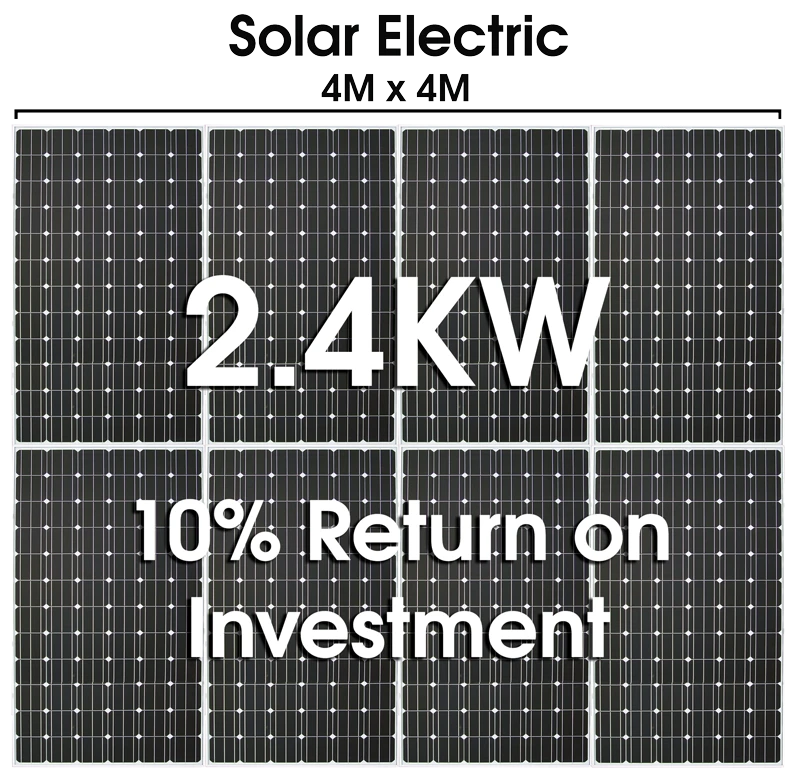
Solar Electric PV
Install Cost $8500*
*(Based on standard installation)
Grid-tied (without batteries) is the most common and cheapest option. Doing this limits your power usage to sunlight hours while you are generally at work and not using any appliances. Sending power back to the grid, you only receive an average of 8c per KW, which is a very small amount.
To get the most out of this type of system, you need to be using the energy that you are generating at the time it is being generated.
The other option is to have a hybrid inverter and connect that to the grid and a battery supply so that the inverter sends the power to where it is needed automatically. For this, you can instantly add $3k+ to the cost of your system.
Customer Satisfaction with performance and savings is 74%
Direct PV to Cylinder – The Hype vs. Reality
Should I use direct PV to the cylinder element?
Direct PV to Cylinder: Simple on Paper, Limited in Practice
An option you’ll see advertised more often in New Zealand is “direct PV” or “solar direct” hot water. Standard solar panels on the roof produce DC electricity that is wired straight to an immersion element inside the hot water cylinder – no inverter, no connection to the house or grid.
It looks like a clean, low-cost solution at first glance. The reality is different: once the cylinder is hot, the panels keep generating power with nowhere for it to go.
- No surplus power for your appliances or charging an EV
- No excess is exported to the grid for buy back credits
- The rest of the day’s free solar energy is simply wasted
A dedicated solar thermal system, like Ice Solar’s evacuated tube collectors, works differently: it harvests the sun’s heat directly into the water whenever sunlight is available, regardless of cylinder temperature. There is no “cut-off” and virtually no wasted energy.
Typical installed costs
- Direct PV to cylinder element (2–4 kW panels): $10,000 – $11,500
- Full grid connected PV system (5–10 kW, whole home power): $12,000 – $22,000
- Ice Solar evacuated tube thermal system: $4,500 – $6,000
Bottom line: Direct PV to a cylinder can make sense if you have a cylinder not in range of your main supply or as an extra backup. For most households wanting the fastest payback and the highest long-term savings on hot water, a properly designed solar thermal system is still the clear winner.

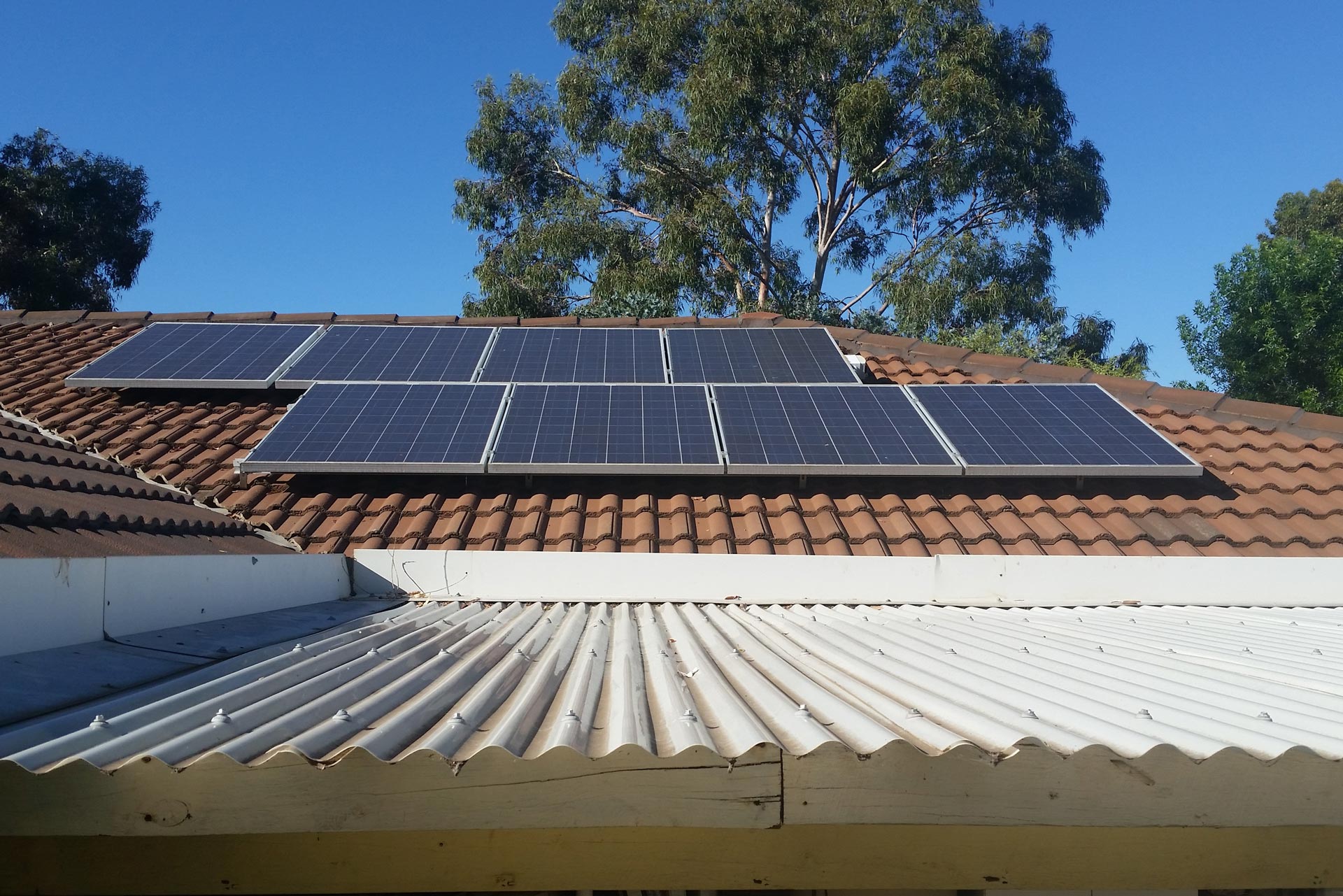
The Ultimate Solar Setup: Combine Thermal + PV for Maximum Savings
The best long term results come from using both solar technologies together – solar thermal for hot water and solar PV for electricity.
Here’s why it works so well: Solar thermal handles the largest single chunk of most household power bills – your hot water (often 30–70 % of total usage). Once that’s covered efficiently and reliably, a smaller PV system can easily take care of the rest of your needs (lighting, appliances, EV charging, etc.).
With a hybrid inverter, any excess electricity you generate can:
• Charge home batteries for evening/night use
• Be exported to the grid for credits on your bill
Or, if batteries aren’t in the budget yet, simply send the surplus straight to the grid.
The result? The fastest payback, the lowest ongoing bills, and the most complete use of free solar energy.
Interested in a combined system tailored to your home and budget? Get in touch – we’ll show you exactly what it could save you.
Both
Technologies
Working Together
Compare Solar Thermal Systems
Evacuated Tubes Vs Flat Plate Collectors
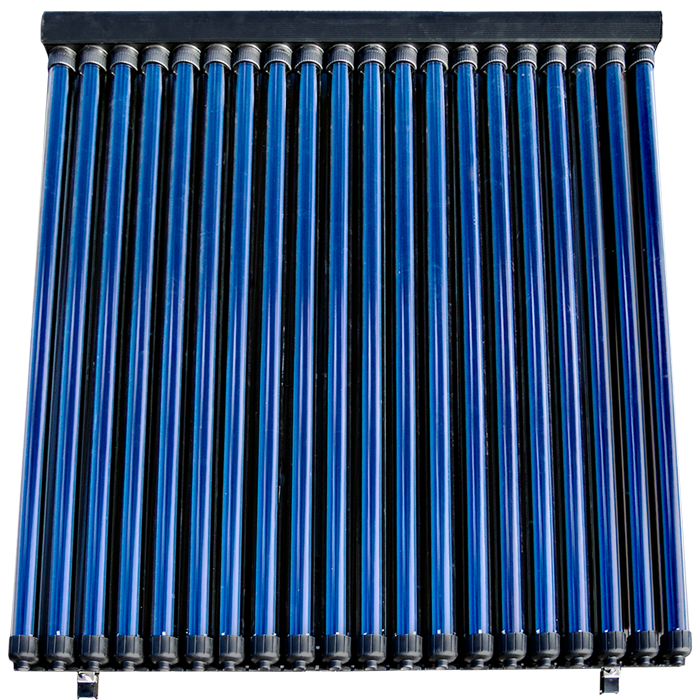
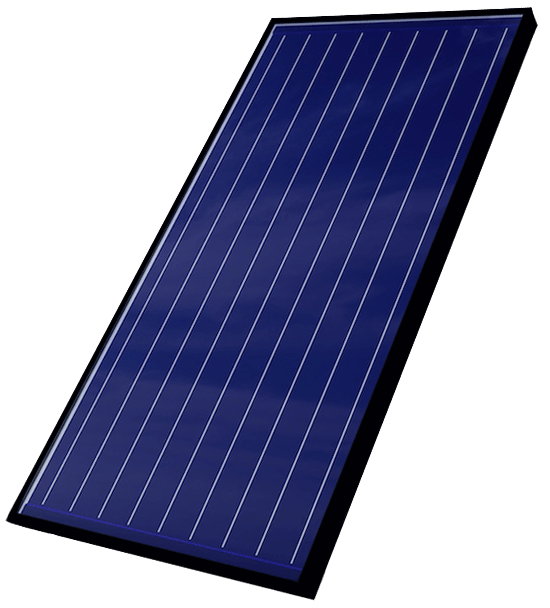
Evacuated Tube Collectors vs Flat Plate Collectors
The two main types of solar thermal hot water systems are evacuated tubes (what we specialise in) and traditional flat plate collectors.
Here’s a fair side-by-side comparison – especially relevant for New Zealand’s variable climate.
Evacuated Tubes
Pros:
- Cost-effective and great long-term value
- Quick and easy installation (one person can often do it)
- Excellent performance in cold, cloudy, or overcast conditions
- Works brilliantly for both home hot water and pool heating
- Can be retrofitted to your existing hot water cylinder
- Super-high efficiency – water can reach up to 200°C
- Minimal overnight heat loss thanks to vacuum insulation
- Modern, sleek appearance on the roof
- 10 year warranty
Cons:
- If oversized for your household, you can occasionally have excess hot water (easily managed with proper sizing)
Flat Plate Collector
Pros:
- Compact size
- Clean appearance when new
Cons:
- Older technology with lower overall efficiency
- More expensive and complex installation (usually requires 2–3 people)
- Performance drops significantly in cold months or cloudy weather
- Unreliable above 55°C (risk of overheating/stagnation)
- Prone to condensation, corrosion, and frost damage over time
- Often requires a closed-loop glycol system in frosty regions
- Shorter lifespan
Bottom line for most Kiwi homes
Evacuated tube systems deliver higher year-round output, better durability, and faster payback in New Zealand’s climate. They’re the modern standard for a reason.
Ready to see how evacuated tubes would work on your roof? Get in touch for a free quote.
KEEPING NEW ZEALAND GREEN